Home / Articles
How Stem Cells Heal Diabetic Wounds Faster?
Home / Articles
How Stem Cells Heal Diabetic Wounds Faster?
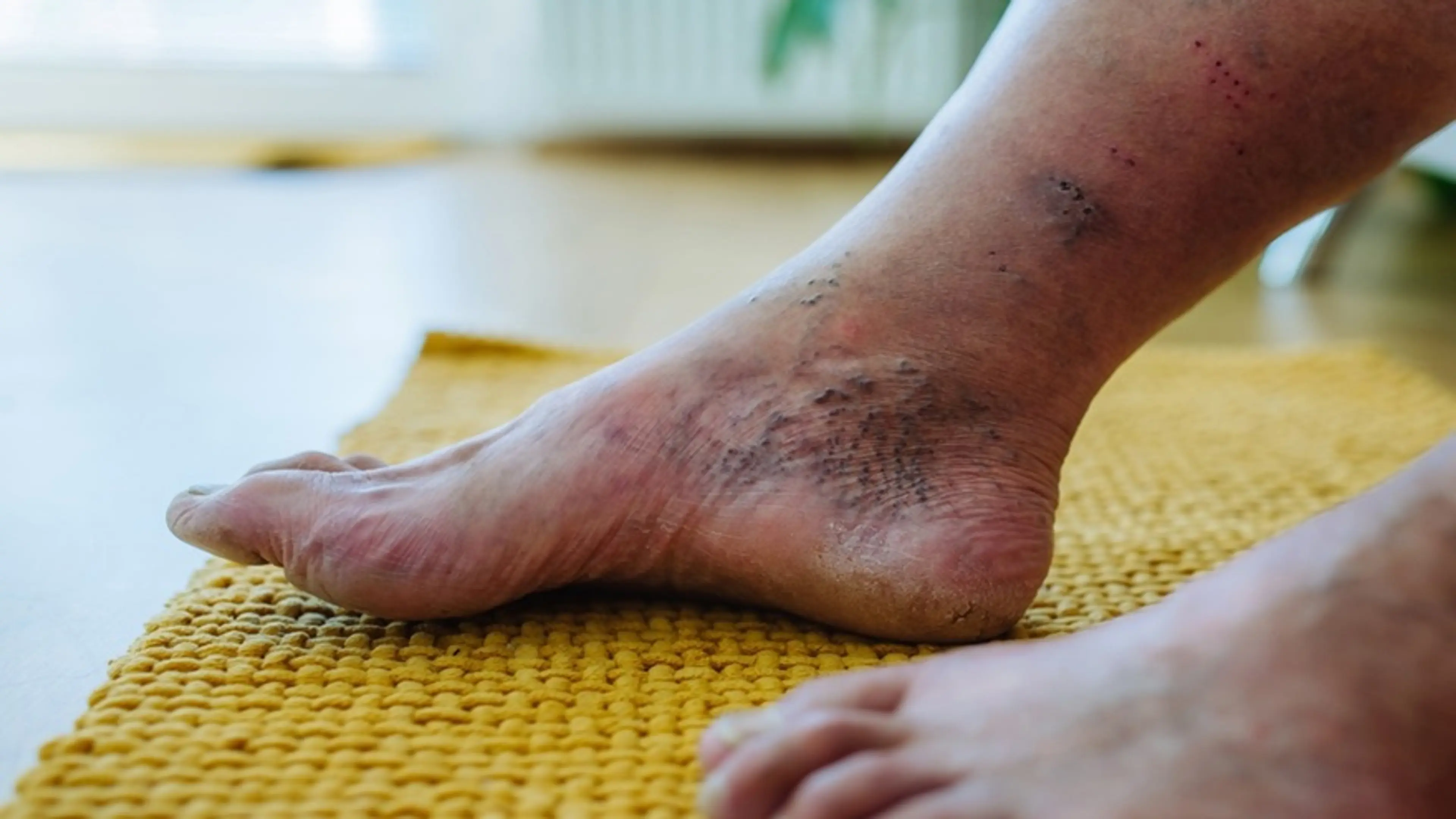
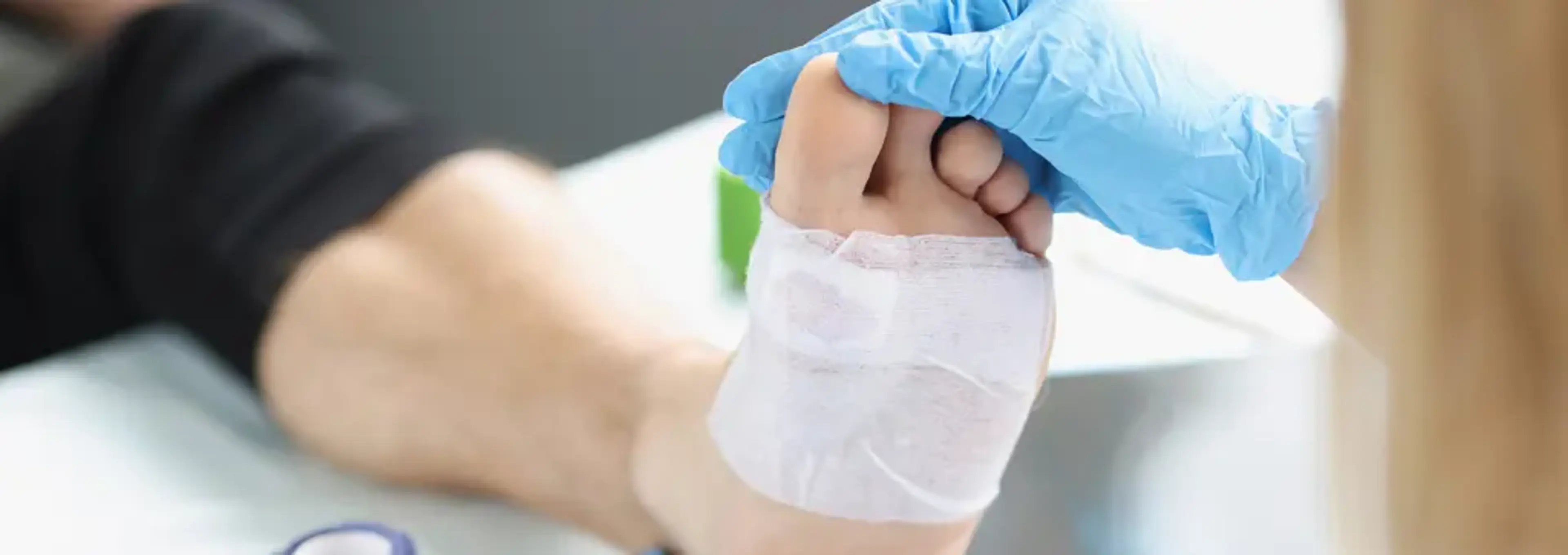
Chronic wounds are among the most challenging complications of diabetes. Diabetic foot ulcers (DFUs) affect up to 15% of all diabetic patients during their lifetime and are responsible for the majority of non-traumatic lower limb amputations. These wounds are not only physically and emotionally debilitating but also pose a significant economic burden due to prolonged treatment and hospitalization. Despite advances in wound care, many diabetic wounds remain resistant to healing. Stem cell therapy is now emerging as a transformative solution, capable of healing wounds faster by correcting the underlying biological defects caused by diabetes.
The pathophysiology of diabetic wounds is complex and multifactorial. Here's why they heal so slowly:
Diabetes causes thickening and dysfunction of small blood vessels (microangiopathy).
As a result, tissues do not receive adequate oxygen or nutrients, severely impeding the natural wound-healing process.
High blood sugar levels damage peripheral nerves, especially in the feet.
Patients may not feel pain or notice minor injuries, leading to unnoticed wounds that worsen over time.
In diabetic patients, wounds remain trapped in a prolonged inflammatory phase.
Excessive pro-inflammatory cytokines damage tissue rather than promote repair.
This chronic inflammation leads to further degradation of the wound environment.
Diabetes weakens the immune system, reducing the ability to fight off bacteria and clear dead tissue.
Wounds are prone to recurrent infections, biofilm formation, and delayed closure.
Fibroblasts in diabetic skin are less responsive and produce less collagen.
Essential growth factors like VEGF, PDGF, and TGF-β are reduced.
This hampers the formation of granulation tissue and slows epithelialization.
All these factors create a hostile wound microenvironment that conventional therapies often cannot overcome.
Stem cells — particularly mesenchymal stem cells (MSCs) — offer a multifaceted approach to healing that addresses the core problems in diabetic wound pathology.
One of the most vital roles of stem cells in wound healing is the stimulation of angiogenesis.
MSCs secrete angiogenic factors such as VEGF, HGF, and angiopoietin.
These factors encourage the formation of new capillaries in ischemic tissue.
Improved vascularization increases oxygen delivery, nutrient supply, and the removal of waste products.
With better blood flow, wounds are able to re-enter the active healing phases.
Chronic inflammation stalls wound healing. MSCs help balance the immune response by:
Releasing anti-inflammatory cytokines (IL-10, TGF-β)
Reducing pro-inflammatory markers (TNF-α, IL-1β, IL-6)
Inducing a phenotypic shift in macrophages from M1 (pro-inflammatory) to M2 (repair-promoting)
This modulation accelerates the resolution of inflammation and prepares the wound for tissue regeneration.
MSCs secrete signaling molecules (chemokines, exosomes) that attract and activate:
Fibroblasts – to rebuild the extracellular matrix
Keratinocytes – to re-epithelialize the wound surface
Endothelial progenitor cells – to form new blood vessels
By recruiting the body’s own repair systems, stem cells amplify the regenerative response.
MSCs enhance collagen synthesis, especially types I and III, which are essential for:
Structural integrity
Elasticity
Durable wound closure
They also help regulate matrix metalloproteinases (MMPs), enzymes that remodel the extracellular matrix without degrading it prematurely.
Recent studies show MSCs secrete antimicrobial peptides (AMPs), including LL-37 and defensins, that:
Disrupt bacterial membranes
Reduce infection risk
Support a cleaner wound environment
They also scavenge reactive oxygen species (ROS), protecting cells from oxidative stress.
At Dekabi Stem Cell Clinic, several delivery methods are used depending on the wound’s size, depth, and severity:
Stem cell therapy is even more powerful when combined with complementary modalities:
Our patients have experienced extraordinary success, even after years of failed conventional treatment:
These are not exceptions — they reflect our clinic’s commitment to science-backed, patient-centered regenerative care.
Feature | Traditional Care | Stem Cell Therapy |
|---|---|---|
Healing Time | Months to years | 4–10 weeks (avg) |
Infection Control | Antibiotics only | Natural antimicrobial effects |
Scar Formation | Common | Reduced via ECM remodeling |
Re-ulceration Risk | High | Lower with tissue regeneration |
Invasiveness | May require surgery | Minimally invasive |
Stem cell therapy at Dekabi is performed with strict medical oversight:
All procedures are outpatient-based, with minimal downtime and fast recovery.
This treatment is ideal for:
Diabetics with non-healing foot or leg ulcers
Patients facing amputation due to chronic wounds
Individuals with poor circulation or immune compromise
Those unresponsive to traditional wound dressings or antibiotics
Stem cell therapy is revolutionizing the way we approach diabetic wound care. Rather than merely managing symptoms, it repairs tissue, regenerates function, and restores hope. By improving blood flow, modulating inflammation, rebuilding structure, and fighting infection, stem cells enable faster, stronger, and more complete healing.
At Dekabi Stem Cell Clinic, we deliver this advanced care with compassion and over two decades of expertise in regenerative medicine. Our personalized protocols offer a non-surgical, scientifically validated alternative for patients who have been told healing is no longer possible.
Don’t wait until your condition becomes critical. Discover how stem cells can restore your body’s natural healing power — and your quality of life. Contact Dekabi today for a personalized wound healing consultation.