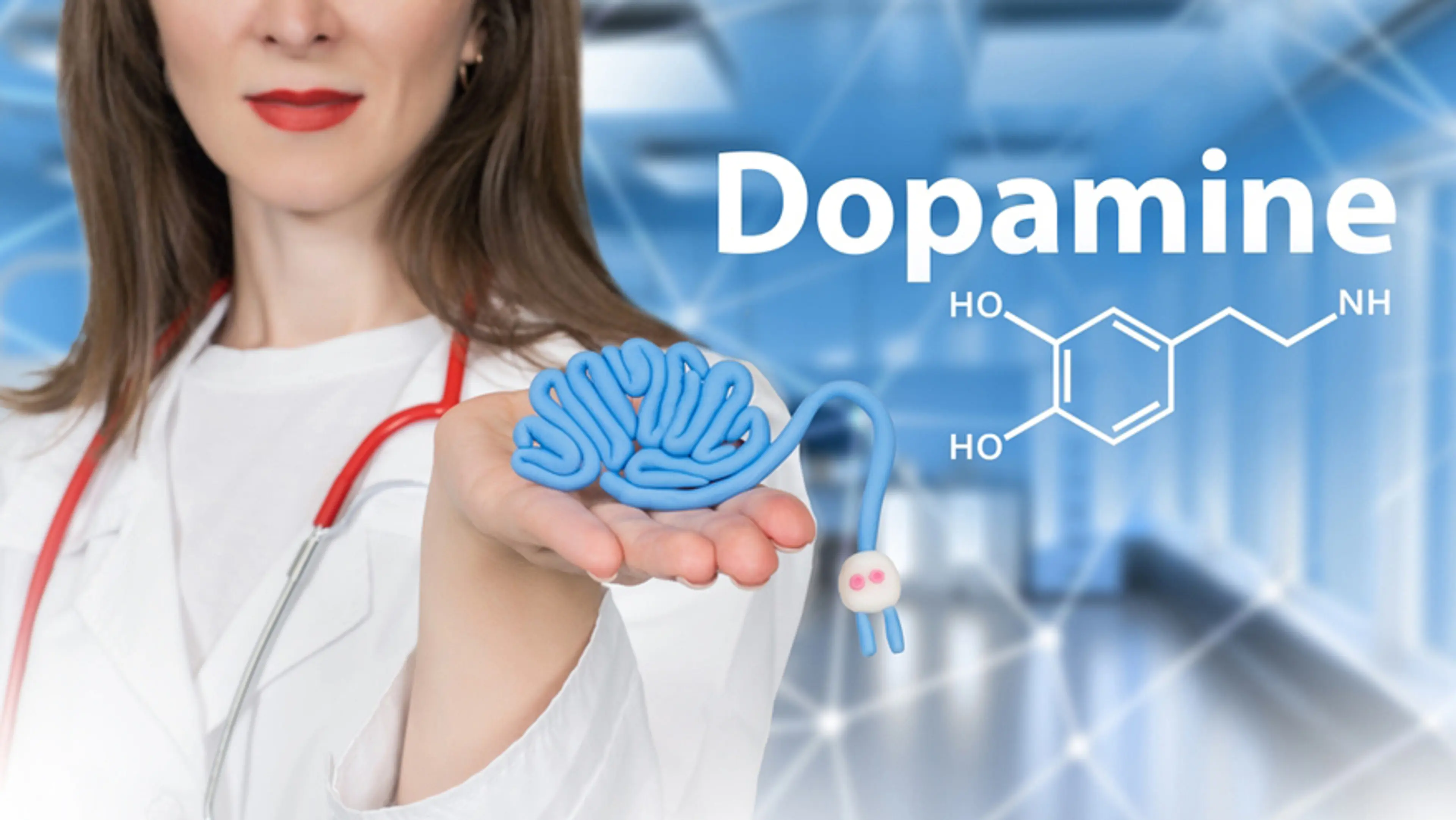
How Stem Cells Help Regenerate Dopamine and Serotonin Levels?
how-stem-cells-help-regenerate-dopamine-and-serotonin-levelsAt Dekabi Stem Cell Clinic, nestled in Seoul’s dynamic Gangnam district, we are pioneers in harnessing the power of regenerative medicine to improve both physical and mental well-being. As a leader in stem cell therapy, we’ve seen how this innovative treatment extends far beyond pain relief or anti-aging—it holds transformative potential in the field of neuropsychiatry. One of the most promising areas of research and application is how stem cell therapy can help restore critical neurotransmitters like dopamine and serotonin—the chemical messengers responsible for mood regulation, motivation, sleep, and cognitive clarity.
In this comprehensive article, we explore the science behind neurotransmitter dysfunction, the regenerative capacity of stem cells, and how these therapies are opening new avenues for treating mood disorders, neurodegenerative diseases, and chronic stress-related conditions.
Understanding Dopamine and Serotonin Deficiency
understanding-dopamine-and-serotonin-deficiencyDopamine: The Reward and Motivation Neurotransmitter
dopamine:-the-reward-and-motivation-neurotransmitterDopamine plays a vital role in:
Low dopamine levels are associated with:
Serotonin: The Mood Stabilizer
serotonin:-the-mood-stabilizerSerotonin regulates:
Mood and anxiety
Sleep-wake cycles
Appetite and digestion
Memory and learning
Deficiencies in serotonin are implicated in:
Traditional pharmacological approaches—including SSRIs (Selective Serotonin Reuptake Inhibitors) and dopamine agonists—often come with side effects, delayed efficacy, and may not correct underlying neurochemical imbalances. This has driven demand for more restorative, cell-based approaches.
How Stem Cells Interact with the Nervous System?
how-stem-cells-interact-with-the-nervous-systemStem cells, especially mesenchymal stem cells (MSCs) and neural stem cells (NSCs), have demonstrated the ability to modulate the central nervous system and improve neurotransmitter function. Their regenerative effects are mediated by:
Paracrine signaling: Secretion of neurotrophic factors
Immunomodulation: Reduction of neuroinflammation
Neurogenesis support: Encouraging the birth of new neurons and glial cells
Neurotransmitter regulation: Influencing synthesis, reuptake, and receptor sensitivity
These effects are especially promising for patients with mood disorders, Parkinson’s disease, cognitive decline, or anxiety-related neurochemical imbalance.
Mechanisms by Which Stem Cells Regenerate Dopamine and Serotonin
mechanisms-by-which-stem-cells-regenerate-dopamine-and-serotonin1. Stimulating Dopaminergic Neuron Regeneration
1.-stimulating-dopaminergic-neuron-regenerationDopamine is primarily produced in the substantia nigra and ventral tegmental area (VTA). In conditions like Parkinson’s or chronic depression, these regions show neuronal loss.
Stem cells help by:
Differentiating into dopaminergic-like neurons
Releasing GDNF (Glial cell line-derived neurotrophic factor) and BDNF (Brain-derived neurotrophic factor) to support existing dopaminergic neurons
Improving mitochondrial function and reducing oxidative stress
Animal models with Parkinsonian symptoms have shown restored motor function and increased dopamine levels following stem cell transplants.
2. Enhancing Serotonergic Activity
2.-enhancing-serotonergic-activitySerotonin-producing neurons are located primarily in the raphe nuclei of the brainstem. These neurons are sensitive to stress, inflammation, and toxic insults.
Stem cells influence serotonin pathways by:
Reducing chronic inflammation in brain regions affecting serotonergic tone
Enhancing tryptophan uptake and its conversion to serotonin
Releasing anti-apoptotic and neurotrophic factors that preserve serotonergic neuron viability
Promoting synaptic plasticity and receptor sensitivity
Clinical improvement in mood and sleep quality has been observed in trials where MSCs were administered for depression and PTSD.
3. Balancing the HPA Axis
3.-balancing-the-hpa-axisThe hypothalamic-pituitary-adrenal (HPA) axis, which governs the stress response, can suppress both dopamine and serotonin function when chronically overactivated. High cortisol levels inhibit neurotransmitter synthesis and receptor function.
MSCs have shown the ability to:
This creates a brain environment more favorable for dopamine and serotonin regeneration.
4. Reducing Neuroinflammation
4.-reducing-neuroinflammationNeuroinflammation is a major driver of neurotransmitter imbalance. Inflammatory cytokines interfere with dopamine and serotonin synthesis, degrade synapses, and promote neural apoptosis.
Stem cells exert anti-inflammatory actions by:
Reducing TNF-α, IL-1β, and IL-6
Increasing IL-10 and other anti-inflammatory cytokines
Repairing the blood-brain barrier, improving nutrient and oxygen flow to neurotransmitter-producing areas
This leads to improved neurochemical signaling and mood stability.
Scientific Evidence: What Research Tells Us
scientific-evidence:-what-research-tells-us
Preclinical Studies
preclinical-studiesDopamine Restoration: Rodent models of Parkinson’s disease treated with stem cells showed increased dopamine synthesis and restored motor coordination.
Serotonin Support: Animal models of depression treated with MSCs displayed increased serotonin levels in the hippocampus and improved behavioral markers.
Mood Improvement: Studies on PTSD and anxiety models demonstrated that MSCs modulated fear response and enhanced serotonin turnover.
Early Clinical Findings
early-clinical-findingsNeurodegenerative Patients: Some small-scale human trials have shown improved dopamine markers in patients with early Parkinson’s disease after MSC injections.
Treatment-resistant Depression: Pilot studies reveal subjective mood improvements and increased emotional resilience following stem cell infusions.
PTSD and Anxiety: Preliminary outcomes suggest enhanced sleep, lower anxiety, and better mood stability in recipients of regenerative therapy.
Dekabi’s Approach: Personalized Regeneration of Neurotransmitter Balance
dekabi's-approach:-personalized-regeneration-of-neurotransmitter-balance
At Dekabi Stem Cell Clinic, we’ve developed a unique, multidisciplinary protocol to target neurotransmitter dysfunction using stem cell therapy.
Comprehensive Assessment
comprehensive-assessmentEvery patient receives:
Detailed neurotransmitter and hormone profiling
Functional brain scans (where applicable)
Lifestyle and emotional health evaluation
Tailored Cell Therapy Protocols
tailored-cell-therapy-protocolsWe utilize:
Umbilical cord-derived or autologous MSCs depending on the indication
Intravenous or intranasal delivery for optimal brain access
Repeat sessions based on response, ranging from 1–3 cycles per year
Synergistic Therapies
synergistic-therapiesWe combine stem cell treatment with:
Energy Surgery to stimulate brain activity in reward/mood centers
Neuro-nutritional support for serotonin and dopamine precursors
Cognitive behavioral support to retrain emotional and cognitive pathways
Monitoring and Long-Term Support
monitoring-and-long-term-supportPatients are regularly evaluated for:
Changes in neurotransmitter markers
Cognitive and mood scales
MRI or EEG changes (if indicated)
This holistic follow-up ensures not just symptom relief, but long-term neurochemical and emotional stability.
Limitations and Ethical Considerations
limitations-and-ethical-considerationsWhile stem cell therapy for neurotransmitter balance is promising, it is essential to acknowledge:
Variability in individual response
The need for more large-scale, double-blind human trials
Ethical sourcing of cells and compliance with medical regulations
Integration with conventional care (not a complete replacement yet)
At Dekabi, we ensure ethical transparency, patient education, and integrative treatment planning to maximize safety and success.
The Future: Neurochemical Regeneration as a New Psychiatric Paradigm
the-future:-neurochemical-regeneration-as-a-new-psychiatric-paradigmThe ability to restore neurotransmitters biologically rather than suppress symptoms pharmacologically is transforming psychiatric care. Looking forward, we anticipate:
Genetically matched stem cell lines to target specific neurotransmitter systems
Neuroimaging-guided precision therapy
AI-enhanced monitoring to track neurotransmitter recovery and clinical response
Combinatorial therapies with psychedelics, biofeedback, and neurotechnology
Dekabi is actively investing in this future through research, patient-centered innovation, and collaboration with neuroscientific pioneers.
Final Thoughts from Dekabi Stem Cell Clinic
final-thoughts-from-dekabi-stem-cell-clinicDopamine and serotonin imbalances are at the root of many emotional and cognitive challenges in modern life. Rather than masking these deficits, stem cell therapy offers a way to repair, replenish, and rebalance the neurochemical systems that govern our mental well-being.
At Dekabi Stem Cell Clinic, we are committed to providing evidence-based, personalized regenerative solutions that go beyond symptom control. If you are struggling with motivation, mood instability, or neurological decline, our team is here to guide you on a path toward true healing.
Contact us today to learn how stem cell therapy can help restore your brain’s natural chemistry—and reclaim your emotional resilience, clarity, and joy.