Home / Articles
Regenerative Medicine for Mental Health: Overcoming Stigma and Promoting Healing

Home / Articles
Regenerative Medicine for Mental Health: Overcoming Stigma and Promoting Healing
Mental health is one of the most significant health challenges of our time, affecting millions globally. However, despite its widespread impact, the stigma surrounding mental health conditions continues to hinder individuals from seeking the help they deserve. This stigma perpetuates feelings of shame, fear, and isolation, which often leads to worsened symptoms and prolonged suffering.
Regenerative medicine, with its innovative approach to healing, presents a promising new pathway for patients seeking alternatives to traditional treatments. One of the leading clinics in this transformative field, Dekabi Stem Cell Clinic in Gangnam, Korea, is pioneering the use of stem cell therapy to address mental health issues while simultaneously helping to dismantle the stigma that surrounds them.
Through advanced treatments such as autologous stem cell therapy, Dekabi provides personalized, science-based care that empowers patients to regain control over their mental well-being. In this article, we explore how regenerative medicine is revolutionizing mental health care, offering fresh hope for recovery, and breaking down societal misconceptions about mental illness.
Mental health stigma refers to the negative perceptions, stereotypes, and biases that people with mental health conditions often face. These harmful beliefs can lead to people being labeled as weak, unstable, or even dangerous, fueling misconceptions about the nature of mental health disorders.
The consequences of stigma are profound. It discourages individuals from seeking the necessary care, as they fear being judged by society, family, or friends. This lack of understanding perpetuates a cycle of misinformation and misunderstanding, treating mental health disorders as character flaws rather than legitimate medical conditions that require treatment and support.
Traditional mental health treatments, while effective for many, often fail to address the emotional and social challenges caused by stigma. Too often, these approaches focus primarily on symptom management without addressing the underlying causes of distress. To fully support mental health recovery, a more holistic and innovative solution is needed—one that acknowledges both the physical and psychological aspects of mental health.
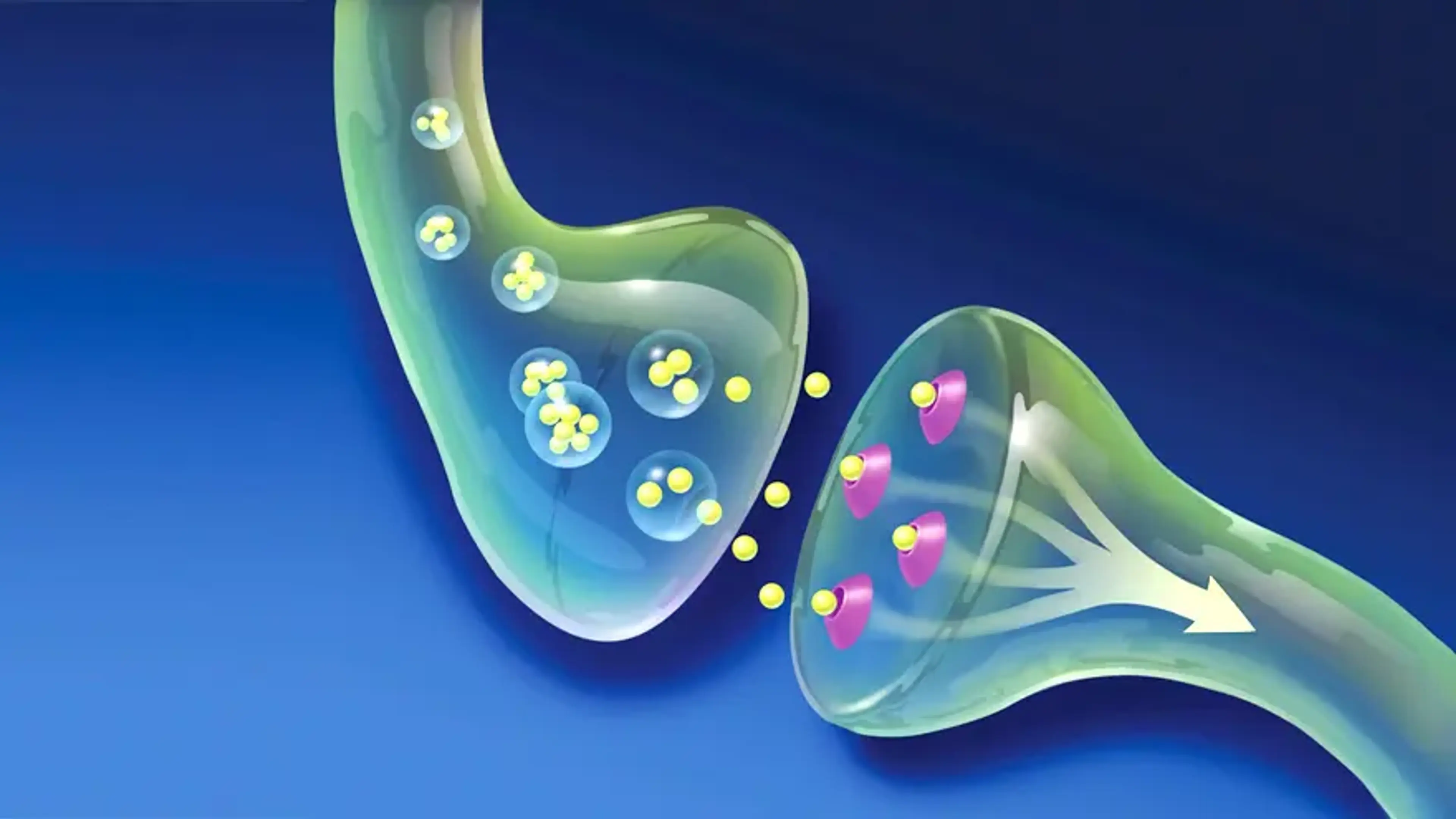
Stem cell therapy, in particular, holds great promise in this field. Stem cells, especially those derived from the patient's own body (autologous stem cells), possess the unique ability to regenerate damaged tissues and support neuroregeneration. In mental health, this translates to repairing neural pathways damaged by trauma, stress, or long-term illness.
What sets regenerative medicine apart is its personalized approach. Each treatment is tailored to the specific needs of the patient, addressing their unique challenges and providing a path to recovery that not only improves mental health but also empowers individuals to take control of their healing process. This holistic approach gives patients a sense of hope, helping them overcome the stigma associated with mental health treatment.
One of the greatest obstacles in mental health care is the shame or fear that often accompanies seeking help. Regenerative medicine has the potential to reshape this narrative. Its innovative, evidence-based methods inspire confidence in patients, encouraging them to view their treatment as a transformative, science-driven journey rather than a sign of weakness or failure.
Stem cell therapy, which focuses on the body's natural ability to heal, carries fewer of the negative associations typically linked with traditional mental health treatments. Patients at clinics like Dekabi can approach their recovery with a sense of agency, knowing that their healing process is rooted in cutting-edge scientific advancements.
What distinguishes Dekabi is its holistic, patient-centered approach. The clinic doesn’t just treat symptoms; it focuses on restoring neurological balance and promoting healing at a deeper, cellular level. Autologous stem cell therapy, which uses the patient’s own cells, ensures maximum safety and effectiveness.
Dekabi’s state-of-the-art facilities and compassionate care foster an environment where patients feel valued and supported throughout their journey. The clinic's commitment to reducing mental health stigma is evident in its efforts to create a safe space where individuals can seek help without fear of judgment.
Dekabi Stem Cell Clinic’s comprehensive, three-phase treatment program is designed to support patients in their recovery from mental health conditions. Each phase plays a vital role in ensuring long-term success and improving the patient's overall well-being.
Dekabi Stem Cell Clinic stays at the forefront of these scientific advancements, integrating the latest research into its clinical practices. This commitment ensures that patients receive treatments that are not only safe but also reflect the cutting-edge work being done in regenerative medicine.
Neuroregeneration—the brain's ability to repair and rebuild itself—plays a critical role in treating mental health disorders. Stem cells are key players in this process, as they can differentiate into neurons, the cells responsible for brain function. By introducing stem cells into specific areas of the brain, it’s possible to repair damaged neural connections and encourage the growth of new brain cells. This process not only improves cognitive function but also enhances emotional resilience.
At Dekabi Stem Cell Clinic, neuroregeneration is a cornerstone of their treatment approach. By addressing the root causes of mental health disorders at the cellular level, patients experience long-lasting recovery, not just temporary relief.
Patients often have valid concerns about the safety and effectiveness of stem cell therapy. At Dekabi Stem Cell Clinic, patient safety is a top priority. The use of autologous stem cells—cells derived from the patient’s own body—significantly reduces the risk of complications. Additionally, the clinic follows strict medical protocols to ensure that treatments are both safe and effective.
Dekabi’s welcoming environment helps break down the barriers of stigma, ensuring that patients feel confident and supported throughout their treatment.
Regenerative medicine is revolutionizing the treatment of mental health disorders by addressing their underlying causes and offering patients a more holistic approach to recovery. Dekabi Stem Cell Clinic stands at the forefront of this movement, offering personalized, cutting-edge treatments that empower patients to regain control over their mental health and live without fear of stigma. With a commitment to both scientific excellence and compassionate care, Dekabi is reshaping the future of mental health treatment—one transformative therapy at a time.