Home / Articles
Stem Cell Breakthrough in Diabetic Wound Healing | Dekabi Korea
Home / Articles
Stem Cell Breakthrough in Diabetic Wound Healing | Dekabi Korea
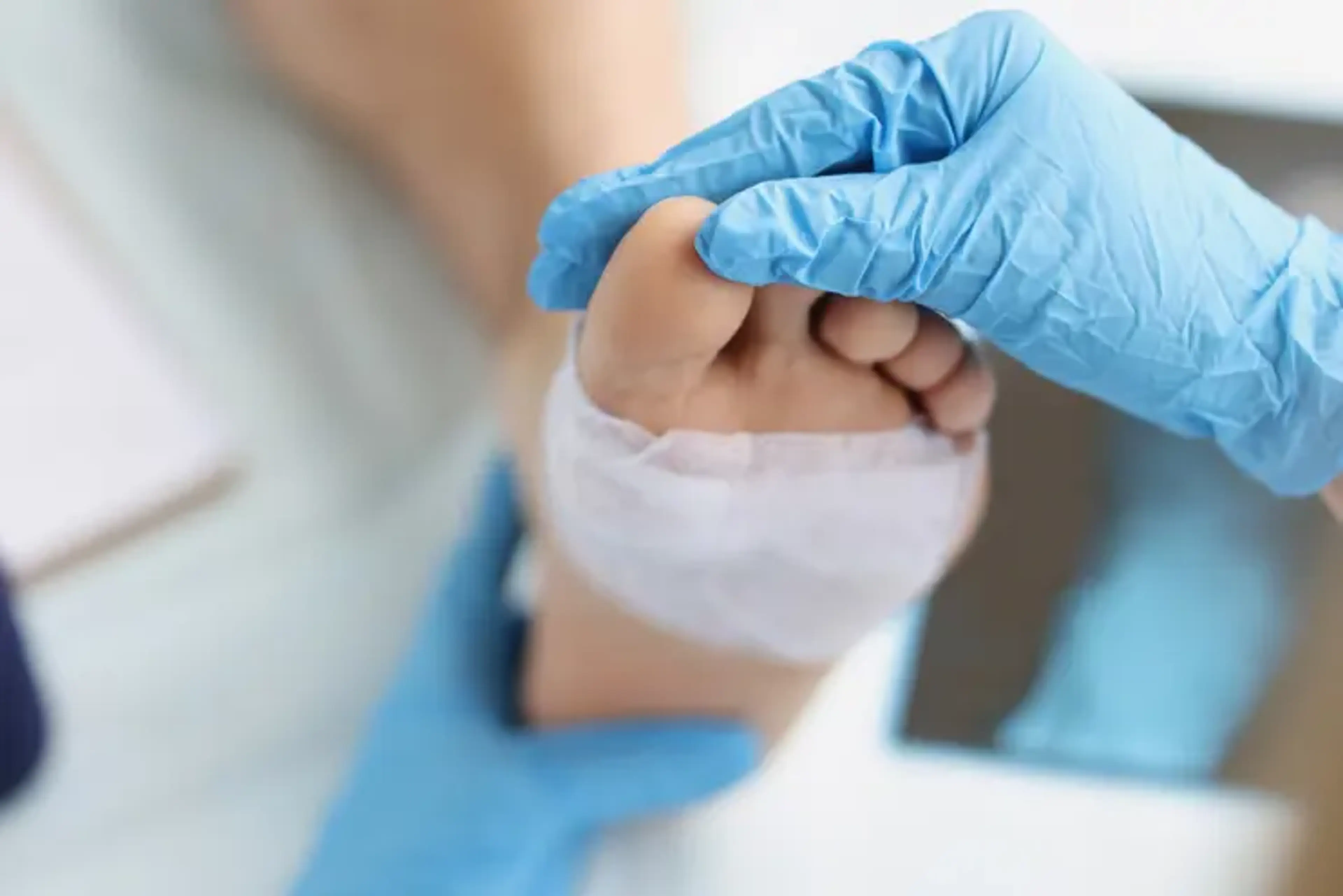
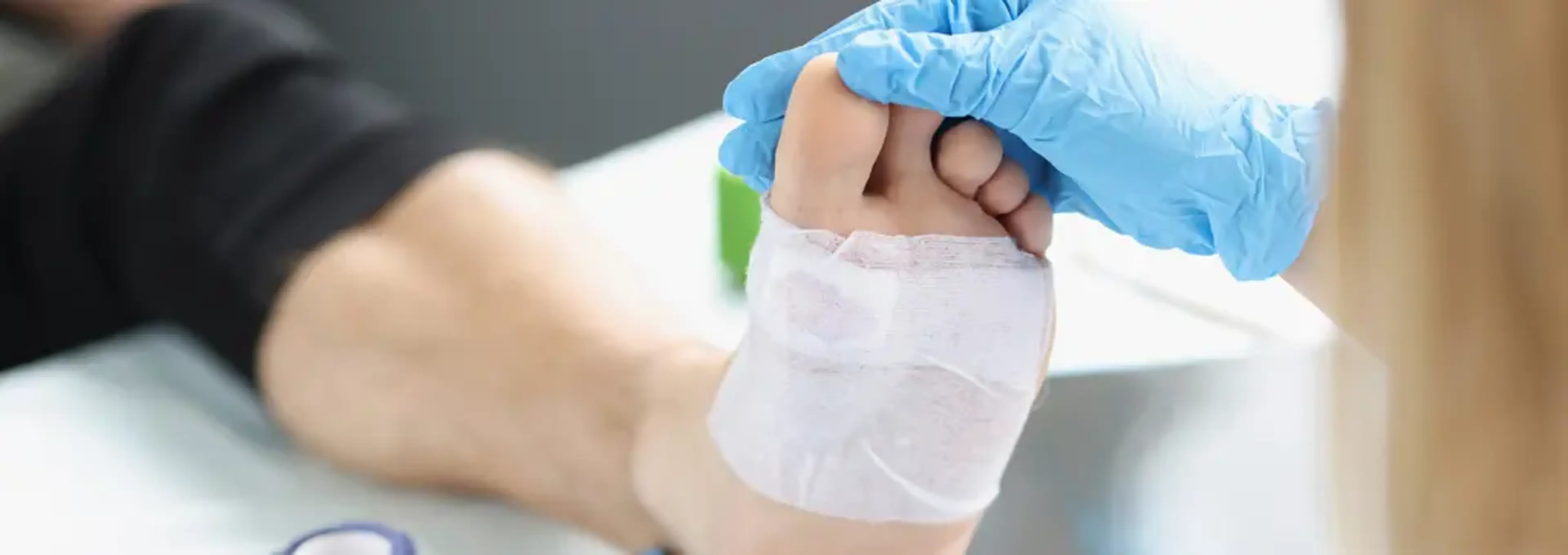
For people living with diabetes, the battle often goes beyond managing blood sugar. Chronic wounds—especially foot ulcers—can quietly develop and refuse to heal, risking infection, disability, or even amputation. These wounds form due to reduced blood flow, nerve damage, and a weakened immune response—an unfortunate trio that limits the body’s natural ability to recover.
What makes these wounds particularly dangerous is how easily they’re overlooked or under-treated. Traditional dressings, antibiotics, and even surgery can fall short when the underlying biology is working against healing. But what if the solution came from within the patient’s own body?
At Dekabi Stem Cell Clinic in Gangnam, Korea, the focus is on regenerative therapy—specifically, using the patient’s own (autologous) stem cells to stimulate repair and recovery from the inside out. Stem cells, especially mesenchymal stem cells (MSCs), are powerful biological tools capable of transforming into skin, nerve, and blood vessel cells.
Dekabi harnesses these cells to:
“Healing isn't just about closing wounds—it’s about restoring the body’s ability to heal itself,” says Dr. Baek, who has led thousands of stem cell therapies over her 30-year career.
Dekabi doesn’t rely on one-size-fits-all solutions. Every therapy is built on a phased strategy tailored to the individual:
Autologous stem cells are harvested—often from adipose (fat) tissue or bone marrow—then processed in Dekabi’s ISO-certified lab. These cells are reintroduced at or near the wound, where they target damage, stimulate blood flow, and reduce immune blockages.
Advanced modalities such as infrared light, low-frequency stimulation, or bioelectric feedback are used to enhance circulation, relieve pain, and maintain momentum in healing.
This trio forms the core of Dekabi’s “Whole Body Wound Recovery™” method—aimed not just at healing ulcers, but improving overall metabolic and vascular health.
Dekabi has treated hundreds of similar patients, particularly those considered “non-responders” to standard care. While not all outcomes are identical, the clinic's internal audit reports show more than 80% of patients experience measurable improvement within 6–12 weeks post-treatment.
Dekabi is currently participating in a Korea-based multicenter observational study tracking long-term outcomes in diabetic wound patients treated with cell-based therapy. Early data aligns with global trends: improved closure rates, reduced reinfection, and better quality of life.
“Patients don’t just heal faster—they stay healed longer,” notes Dr. Baek.
Dekabi’s use of autologous cells—meaning they originate from the patient—nearly eliminates rejection risk. The procedures are minimally invasive, typically performed under local anesthesia, with most patients returning home the same day.
Side effects are rare and usually limited to minor bruising or transient swelling at the injection site. Dekabi’s protocols follow guidelines from international bodies like the International Society for Stem Cell Research (ISSCR) and Korean MFDS.
If you or someone you know has diabetes and experiences:
A foot wound that hasn’t healed in 2–3 weeks
Numbness, tingling, or discoloration in the feet
Recurring infections or unusual drainage
… it’s time to consult a specialist. Early intervention can mean the difference between healing and amputation.
Dekabi offers remote consultations for international patients and arranges care plans including visa support and accommodation guidance.