Introduction
introductionDiabetic neuropathy is a common, often debilitating complication of diabetes. It causes pain, numbness, weakness, and poor coordination, especially in the legs and feet. As the condition progresses, it can severely impact quality of life and increase the risk of ulcers, infections, and even amputations. At Dekabi Stem Cell Clinic in Gangnam, Seoul, we offer cutting-edge stem cell therapy aimed at regenerating nerve tissue, relieving symptoms, and restoring function naturally. Our comprehensive, patient-centered approach integrates advanced regenerative medicine with supportive therapies to help patients achieve lasting relief and improved mobility.
What Is Diabetic Neuropathy?
1.-what-is-diabetic-neuropathyDiabetic neuropathy refers to nerve damage caused by chronic high blood sugar levels and metabolic imbalances in people with diabetes. It is estimated that up to 50% of individuals with diabetes—both type 1 and type 2—will develop some form of neuropathy during their lifetime.
Symptoms of diabetic neuropathy include:
Tingling or burning sensations in the extremities
Numbness or weakness in the feet and hands
Sharp, stabbing pains or electric shock-like sensations
Cramping, especially at night
Muscle weakness and loss of reflexes
Difficulty with balance and coordination
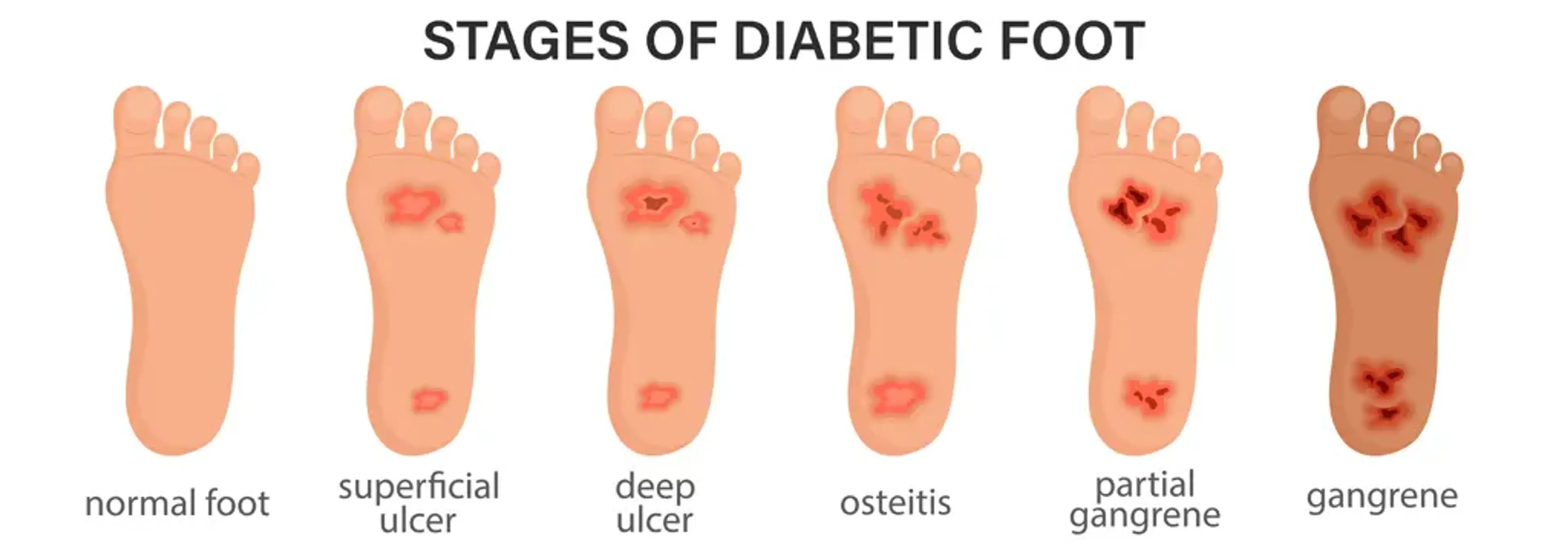
Loss of sensation leading to injuries or ulcers
Underlying causes include:
Chronic hyperglycemia: High blood sugar damages blood vessels and nerves over time.
Oxidative stress: Excess glucose leads to the generation of reactive oxygen species, which damage nerve tissues.
Inflammation: Chronic low-grade inflammation contributes to nerve degeneration.
Microvascular dysfunction: Poor circulation reduces oxygen and nutrient delivery to nerves.
Loss of neurotrophic support: Diminished levels of essential nerve growth factors impair repair and maintenance of nerve function.
Conventional treatment options such as medications (e.g., anticonvulsants, antidepressants, and analgesics) primarily aim to reduce symptoms like pain. However, they do not reverse nerve damage or restore normal nerve function. This is where stem cell therapy offers a transformative approach.
How Stem Cell Therapy Helps
2.-how-stem-cell-therapy-helpsStem cells possess unique regenerative capabilities that allow them to repair or replace damaged tissues, including peripheral nerves. In diabetic neuropathy, stem cell therapy works through a variety of mechanisms that address the root causes of nerve degeneration.
Key therapeutic effects of stem cell therapy include:
Neurotrophic support: Stem cells secrete essential growth factors such as nerve growth factor (NGF), brain-derived neurotrophic factor (BDNF), and glial cell line-derived neurotrophic factor (GDNF), which promote neuron survival, growth, and regeneration.
Anti-inflammatory action: Mesenchymal stem cells (MSCs) modulate the immune response by reducing pro-inflammatory cytokines and enhancing anti-inflammatory cytokines. This decreases chronic inflammation in nerve tissues.
Angiogenesis: Stem cells promote the formation of new blood vessels (angiogenesis), restoring blood supply to ischemic nerve tissues and improving oxygenation and nutrient delivery.
Support for Schwann cells: Schwann cells are responsible for the formation and maintenance of the myelin sheath—the protective covering of nerves. Stem cells stimulate Schwann cell proliferation and enhance remyelination.
Paracrine signaling: Rather than directly replacing damaged cells, stem cells often act through paracrine effects—sending repair signals via cytokines, growth factors, and extracellular vesicles that trigger tissue regeneration.
Reduction of oxidative stress: Stem cells help neutralize reactive oxygen species and improve mitochondrial function in nerve cells, supporting long-term nerve health.
These actions combine to create a favorable environment for nerve repair, offering not only symptom relief but also structural recovery.
Dekabi's Approach to Treatment
3.-dekabi's-approach-to-treatment
At Dekabi Stem Cell Clinic, we combine medical expertise with a personalized, integrative approach. Dr. Eun Young Baek, our founder and Chief Medical Officer, brings over 22 years of experience in stem cell therapy and more than 34 years in medicine. Our protocols are designed to support long-term recovery and functional restoration.
Our treatment process includes:
Comprehensive Evaluation: Every patient undergoes detailed diagnostic assessments, including nerve conduction studies, symptom scoring, vascular assessments, and metabolic profiling. This ensures precise staging of neuropathy and individualized treatment planning.
Tailored Cell Therapy: Depending on the patient's condition, we use autologous stem cells (derived from the patient’s own adipose tissue or bone marrow) or carefully selected allogeneic stem cells. We prepare and purify the cells in a GMP-compliant lab to ensure safety and efficacy.
Targeted Delivery Techniques: Cells are administered either through local injections near the affected nerves, intramuscularly, or via intravenous infusion to promote both localized and systemic healing.
Adjunctive Regenerative Support: To maximize results, we integrate additional therapies including energy surgery (biophysical stimulation), functional neuromodulation, nutritional therapy, detox programs, and microcirculation enhancement.
Ongoing Monitoring: We assess patients at regular intervals (1, 3, 6, and 12 months) using both subjective (pain and function scores) and objective measures (nerve conduction velocity, balance tests) to track progress.
Our holistic, multi-layered care approach ensures comprehensive healing for patients with complex chronic neuropathy.
What the Research Says
4.-what-the-research-saysScientific studies continue to affirm the regenerative potential of stem cells in treating diabetic neuropathy. Both preclinical and clinical trials have shown promising results.
Clinical benefits observed in human studies include:
Improved nerve conduction velocity: Stem cell-treated patients showed significant increases in sensory and motor nerve function.
Reduced pain scores: Patients experienced an average reduction of 2–3 points on the visual analog pain scale.
Improved vibration perception and sensation: Many regained protective sensation in their feet, reducing the risk of injury.
Better blood circulation: Enhanced perfusion to the limbs improved tissue oxygenation and healing capacity.
Safety outcomes:
No serious adverse events have been reported in the majority of trials.
Side effects are generally limited to mild swelling or soreness at the injection site.
No evidence of tumor formation has been observed with adult MSC therapy.
Supporting research:
Preclinical animal studies show restoration of nerve fiber density, improved blood flow, and functional nerve recovery.
Meta-analyses of randomized controlled trials show consistent benefits in nerve conduction and symptom scores.
These findings underscore the potential of stem cell therapy to go beyond symptom control and deliver regenerative recovery.
Real Patient Outcomes
5.-real-patient-outcomesAt Dekabi, we’ve seen significant improvements in quality of life for patients suffering from diabetic neuropathy.
Examples include:
Case A: A 58-year-old woman with burning foot pain and loss of sensation experienced a 60% reduction in symptoms within three months. Her balance and gait improved, allowing her to resume regular walks.
Case B: A male patient with severe foot pain (8/10 on the pain scale) underwent targeted stem cell injections and neuromodulation. Within six months, his pain dropped to 2/10 and he regained the ability to walk without a cane.
Case C: An elderly patient with diabetic ulcers and impaired circulation reported significant improvement in blood flow and wound healing. After one year, ulcer recurrence was drastically reduced.
Our data and patient feedback consistently highlight the potential of regenerative therapy to transform lives.
Are You a Candidate?
6.-are-you-a-candidate
Stem cell therapy is suitable for many individuals suffering from diabetic neuropathy, but a thorough assessment is necessary.
Ideal candidates include:
Adults diagnosed with diabetic peripheral neuropathy (sensory or motor)
Patients experiencing burning pain, numbness, or muscle weakness
Those who have tried conventional medications without lasting relief
Individuals with good blood sugar control and no severe cardiovascular issues
Patients who are willing to follow a comprehensive care protocol, including lifestyle and nutritional support
If you are unsure of your eligibility, we invite you to schedule a consultation for a personalized assessment.
What to Expect During Treatment
7.-what-to-expect-during-treatmentWe strive to make the treatment journey transparent and supportive at every stage.
Our process includes:
Initial Consultation & Diagnostics: We conduct a full medical history, nerve function tests, and metabolic evaluations.
Stem Cell Harvesting & Preparation: If autologous cells are used, we perform a minimally invasive extraction and prepare the cells for injection.
Cell Administration: Depending on the treatment plan, stem cells are delivered via local injection, intramuscularly, or intravenously.
Regenerative Adjunct Therapies: Energy-based stimulation, detox, and neuromodulation sessions are scheduled in parallel to enhance healing.
Post-Treatment Monitoring: Progress is tracked through regular follow-ups. Additional booster treatments may be offered based on individual response.
Our team provides full guidance and support throughout the treatment and recovery process.
Frequently Asked Questions
8.-frequently-asked-questionsQ: Can this cure diabetic neuropathy?
A: While it may not provide a complete cure, stem cell therapy can significantly reverse nerve damage, reduce symptoms, and restore function. Many patients experience long-term improvement.
Q: How soon will I see results?
A: Improvements may appear within weeks for some patients, while others may notice changes after several months. Full benefits often become more apparent over time.
Q: Are there risks?
A: The risk profile is low when treatment is done under medical supervision. Most patients report only mild and temporary discomfort.
Q: Will I need repeat treatments?
A: Depending on your response, a follow-up or booster session may be recommended within 6–12 months. Maintenance therapy helps sustain results.
Q: Can I continue other medications?
A: Yes. Stem cell therapy works alongside your current diabetes and pain management plan. We’ll coordinate care with your primary physician if needed.
Why Choose Dekabi Stem Cell Clinic?
9.-why-choose-dekabi-stem-cell-clinicDekabi Stem Cell Clinic is a leader in regenerative medicine, combining advanced science with compassionate care.
What sets us apart:
Over 22 years of experience in stem cell therapy
34+ years of medical expertise led by Dr. Eun Young Baek
A proven track record in treating neuropathy, chronic pain, and metabolic conditions
Use of advanced diagnostics and tailored treatment protocols
Integration of energy medicine, detox therapy, and nutritional support
Multilingual staff fluent in Korean and English, catering to international patients
Our clinic is located in the heart of Gangnam, Seoul, and serves patients from around the world seeking world-class regenerative care.
Ready to Reclaim Your Nerve Health?
ready-to-reclaim-your-nerve-healthDon’t let diabetic neuropathy limit your life. Contact Dekabi Stem Cell Clinic today to schedule a personalized consultation and explore your path to regeneration and recovery. We are here to help you heal from the inside out.