
Stem Cells for Hair Thinning and Loss Prevention

stem-cells-for-hair-thinning-and-loss-prevention
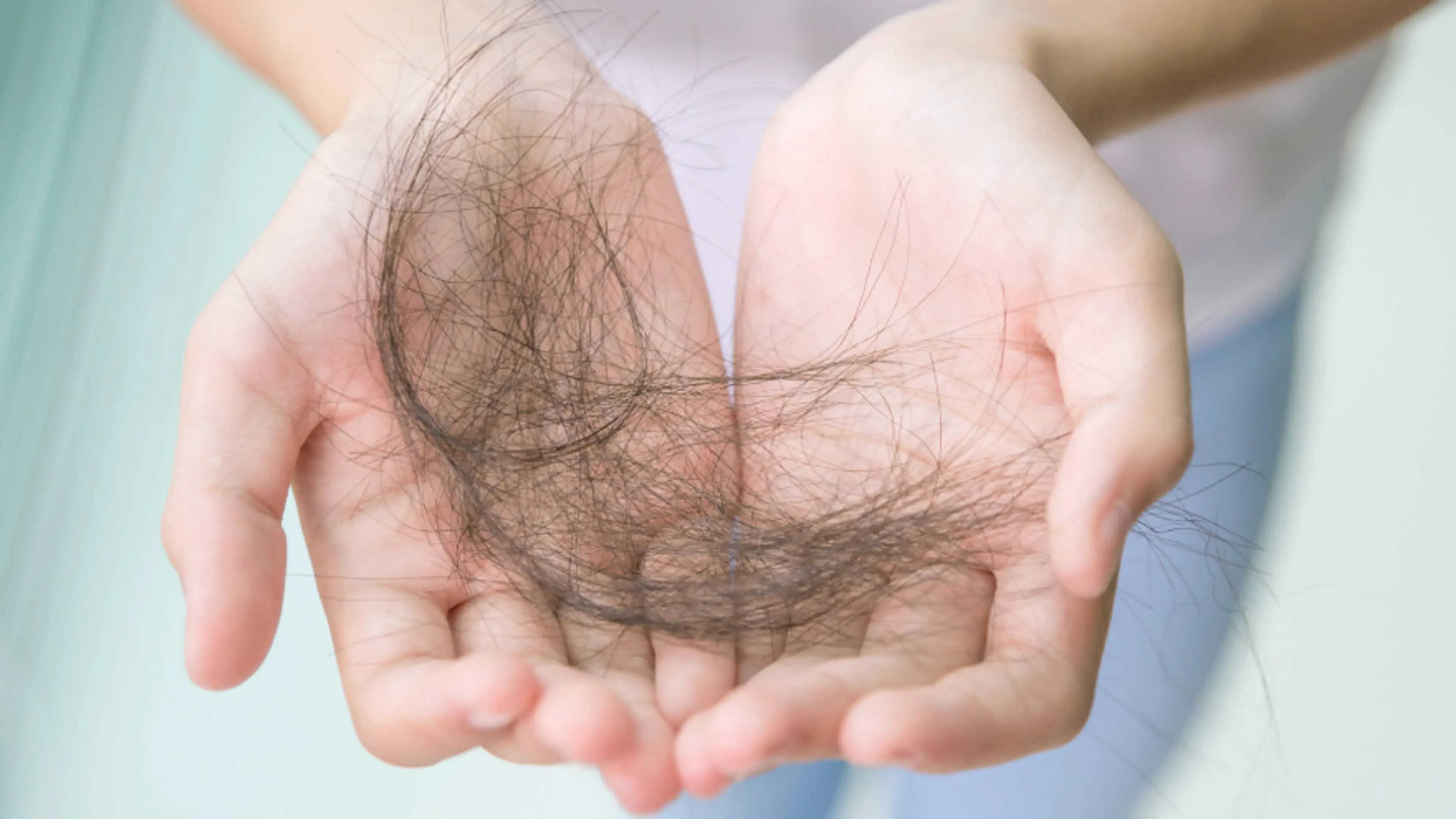
Hair loss and thinning affect millions of people globally—not just physically, but emotionally and psychologically as well. While conventional treatments like topical minoxidil, oral medications, or hair transplants address symptoms, they don’t always resolve the underlying biological dysfunctions that cause hair follicles to weaken. This is where regenerative medicine, specifically stem cell therapy, offers a transformative paradigm—promoting true biological repair rather than temporary coverage.
At Dekabi Stem Cell Clinic in Seoul’s Gangnam District, we combine cutting‑edge stem cell science with personalized clinical expertise to support natural hair regeneration and long‑term scalp health. With over 22 years of experience in stem cell therapy and more than 34 years of medical experience, our protocols are rooted in both scientific evidence and clinical results.
In this article, we explore in depth how stem cells can combat hair thinning, reactivate hair growth, and prevent future loss—explained clearly from cellular mechanisms to clinical application.

Understanding Hair Loss: Biology and Mechanisms

understanding-hair-loss:-biology-and-mechanisms

To grasp how stem cells help, it’s important to understand what happens biologically when hair thins or falls out.

The Hair Growth Cycle

the-hair-growth-cycle

Hair doesn’t grow continuously. It cycles through three phases:

  1. Anagen (Growth Phase)
    • Lasts years

    • Follicles produce active, thick hair

  2. Catagen (Transition Phase)
    • Lasts weeks

    • Growth slows; follicles shrink

  3. Telogen (Resting/Shedding Phase)
    • Lasts months

    • Old hairs fall out and are replaced

Healthy follicular activity depends on balanced duration and transitions between these phases.

What Causes Hair Thinning and Loss?

what-causes-hair-thinning-and-loss
Hair thinning occurs when this cycle becomes disrupted—especially when the anagen phase shortens and the telogen phase lengthens. Key biological triggers include:

1. Genetic Susceptibility

1.-genetic-susceptibility
  • Androgenetic alopecia (AGA), the most common type, is driven by genetic sensitivity to dihydrotestosterone (DHT).

  • DHT signals hair follicles to shrink (miniaturize), producing thinner, shorter hairs.

2. Hormonal Imbalances

2.-hormonal-imbalances
  • Elevated androgens (like DHT)

  • Thyroid dysfunction

  • Changes in estrogen during menopause
    These can shift hair cycle dynamics and suppress robust growth.

3. Inflammation

3.-inflammation
  • Inflammatory signals around follicles induce stress responses and follicular damage.

  • Chronic scalp inflammation is increasingly recognized as a key factor in hair thinning.

4. Reduced Blood Flow

4.-reduced-blood-flow
  • Poor scalp microcirculation limits oxygen and nutrient delivery to follicles, weakening growth capacity.

5. Stress and Systemic Factors

5.-stress-and-systemic-factors
  • Chronic stress elevates cortisol, contributing to increased telogen shedding (telogen effluvium).

  • Autoimmune attacks (e.g., alopecia areata) can directly target follicles.

Each of these factors contributes to follicular dysfunction, leading to progressive thinning and eventual hair loss.

What Are Stem Cells and How Do They Work?

what-are-stem-cells-and-how-do-they-work

Stem cells are unique biological units with two defining properties:

  1. Self‑Renewal: They can replicate themselves many times.
  2. Differentiation Potential: They can become other cell types as needed.
In hair restoration, we primarily use mesenchymal stem cells (MSCs)—a highly studied type of adult stem cell found in bone marrow, adipose tissue (fat), and perinatal tissues like the umbilical cord.

How Stem Cells Help: Key Mechanisms

how-stem-cells-help:-key-mechanisms
Stem cells support hair health not mainly by transforming into hair cells, but through paracrine signaling—releasing bioactive molecules that guide nearby cells toward repair, regeneration, and growth.

Let’s break down the major ways they help:

Activating Dormant Hair Follicles

1.-activating-dormant-hair-follicles
Hair follicles contain their own reservoirs of local stem cells. However, aging, hormonal imbalance, inflammation, or stress can push follicles into a prolonged dormant state.

Stem cell therapy helps reactivate these dormant follicles by releasing:

  • Growth factors like VEGF (vascular endothelial growth factor), PDGF (platelet‑derived growth factor), and FGF (fibroblast growth factor)
  • Signaling molecules that encourage follicles to re‑enter anagen (growth phase)

This leads to increased hair shaft production and improved hair thickness.

Improving Scalp Microenvironment

2.-improving-scalp-microenvironment

Healthy hair growth relies on an optimal biological environment. Stem cells help by:

Enhancing Blood Flow

enhancing-blood-flow

Stem cells stimulate angiogenesis (formation of new microvessels), improving delivery of oxygen and nutrients to hair follicles.

Reducing Local Inflammation

reducing-local-inflammation

Inflammation around follicles disrupts normal signaling. MSCs secrete anti‑inflammatory cytokines (like IL‑10 and TGF‑β) that calm inflammatory processes, creating a more supportive environment for hair growth.

Boosting Cellular Communication

boosting-cellular-communication

Exosomes—nano‑sized vesicles released by stem cells—carry microRNAs and proteins that enhance cell‑to‑cell communication. This improves follicular responsiveness and resilience.

Counteracting Hormonal Sensitivity

3.-counteracting-hormonal-sensitivity

In conventional androgenetic hair loss, DHT binds to receptors in susceptible follicles, shrinking them over time. While stem cells don’t bind DHT directly, they help in indirect biological ways:

  • MSCs modulate local tissue responses, making follicles less vulnerable to miniaturization.
  • They support growth signal dominance over shrinkage signals, preserving follicle integrity.

This effect doesn’t replace hormone blockers but provides a complementary biological balancing mechanism.

Healing Damaged Follicular Structures

4.-healing-damaged-follicular-structures

In some forms of hair loss—especially scarring alopecia or inflammation‑associated shedding—follicular tissues can become fibrotic or structurally damaged.

Stem cells promote:

  • Repair of dermal papilla cells (critical drivers of hair formation)
  • Restoration of extracellular matrix (ECM) that supports follicle anchoring
  • Reversal of localized fibrosis

This structural regeneration increases the potential for follicles to regenerate functional hair shafts.

Clinical Evidence and Science Supporting Stem Cell Approaches

clinical-evidence-and-science-supporting-stem-cell-approaches

Preclinical Models

preclinical-models

Animal studies have demonstrated:

  • Increased hair counts and thickness after stem cell administration

  • Improved follicular anagen re‑entry

  • Reduced inflammatory markers around hair follicles

These studies provide strong mechanistic support for stem cell‑mediated regeneration.

Human Clinical Reports

human-clinical-reports

Emerging clinical data shows:

  • Improved hair density and scalp thickness

  • Enhanced hair quality and reduced shedding

  • Favorable safety profiles in controlled protocols

At Dekabi, we combine these research insights with individualized assessment and monitoring to optimize patient outcomes.

Stem Cell Treatment Protocols at Dekabi Stem Cell Clinic

stem-cell-treatment-protocols-at-dekabi-stem-cell-clinic

We believe regenerative hair therapy works best when tailored to the individual. Our process includes:

1. Comprehensive Evaluation

1.-comprehensive-evaluation

Before initiating regenerative therapy, we perform:

  • Medical and family history review
  • Scalp and follicular imaging
  • Hormonal and inflammation biomarker testing
  • Assessment of stress, nutrition, and systemic health

This detailed baseline allows precise customization of treatment.

2. Mesenchymal Stem Cell Application

2.-mesenchymal-stem-cell-application
MSCs are administered via:
  • Localized scalp injections
    Targeted delivery to areas of thinning to maximize follicular stimulation
  • Intravenous routes (when systemic support is beneficial)
    Enhances systemic regenerative signaling

The secreted factors from these cells initiate regenerative cascades that support hair growth.

3. Exosome Therapy

3.-exosome-therapy

Stem cell‑derived exosomes are concentrated delivery vehicles of growth signals.

Benefits include:
  • Highly potent regenerative communication

  • Promotion of cellular repair and follicular activity

  • Anti‑inflammatory and angiogenic support

Exosomes can be applied topically or injected into the scalp for enhanced effect.

4. Adjunctive Regenerative Support

4.-adjunctive-regenerative-support

Beyond stem cells and exosomes, we incorporate:

  • Energy medicine modalities to stimulate tissue activity
  • Scalp microcirculation enhancement techniques
  • Nutritional and detoxification support
  • Stress management strategies

This comprehensive approach magnifies biological healing potential.

Expected Outcomes and What Patients Experience

expected-outcomes-and-what-patients-experience

While individual responses vary, many patients report:

  • Noticeable reduction in shedding

  • Increased hair density over 3–6 months

  • Stronger, thicker hair strands

  • Improved scalp texture and health

  • Enhanced confidence and well‑being

Because hair growth takes time, meaningful changes generally appear between 12–24 weeks, with continued improvement beyond.

Safety and Monitoring

safety-and-monitoring

At Dekabi Stem Cell Clinic, safety is paramount:

  • All therapies are conducted under sterile clinical conditions

  • MSC sources are rigorously screened for quality and safety

  • Patients undergo regular follow‑up assessments

  • Adjustments are made according to response and tolerability

Stem cell treatments used in regulated medical settings demonstrate excellent safety records, far beyond unverified or cosmetic “stem cell” products often marketed without oversight.

Complementary Lifestyle and Supportive Interventions

complementary-lifestyle-and-supportive-interventions

True regenerative outcomes are strengthened by holistic care:

Nutritional Support

nutritional-support
  • Antioxidant‑rich diet

  • Omega‑3 fatty acids

  • Vitamins and minerals essential for hair health (e.g., biotin, zinc, iron)

Stress Management

stress-management
  • Mind‑body practices (meditation, breathwork)

  • Improved sleep patterns

  • Reducing chronic cortisol exposure

Scalp Care

scalp-care
  • Gentle cleansing and stimulation

  • Avoiding harsh chemicals

  • Therapeutic scalp massages to increase blood flow

These lifestyle factors support the ongoing regenerative work initiated by stem cell therapy.

Addressing Common Misconceptions

addressing-common-misconceptions

“Stem cells instantly grow hair.”

"stem-cells-instantly-grow-hair."

Hair regeneration isn’t instant. It is a biological process that unfolds over months as follicles re‑enter growth cycles and rebuild structural integrity.

“Any clinic offering stem cells is the same.”

"any-clinic-offering-stem-cells-is-the-same."
Quality, safety, and protocol rigor varies widely. Dekabi’s protocols are medically grounded, personalized, and evidence‑based, ensuring safer and more reliable outcomes.

“Stem cells cure genetic baldness.”

"stem-cells-cure-genetic-baldness."

Stem cells enhance follicular resilience and regeneration—even in genetic hair loss—but they are part of a holistic strategy; not a simplistic “magic cure.”

Who Is an Ideal Candidate?

who-is-an-ideal-candidate


Stem cell hair therapy is especially appropriate for:

Individuals with early to moderate hair thinning
Those with androgenetic alopecia not fully responding to traditional treatments
Patients with shedding due to stress, inflammation, or aging
People seeking a regenerative, non‑surgical approach
Those committed to long‑term hair and scalp health

Why Choose Dekabi Stem Cell Clinic?

why-choose-dekabi-stem-cell-clinic
  • More than 22 years of stem cell clinical experience
  • Over 34 years of medical practice
  • Led by Dr. Eun Young Baek, a pioneer in regenerative and anti‑aging medicine
  • Personalized, compassionate, science‑based protocols

  • International support in Korean and English

We’re not selling quick fixes—we’re advancing regenerative care that empowers true biological restoration.

Conclusion

conclusion
Hair thinning and loss involve complex biological processes—genetic sensitivity, hormonal influences, inflammation, circulation, and follicular health. Conventional treatments often target symptoms, but regenerative medicine targets root causes at the cellular level.
Stem cell therapy offers a scientifically grounded, regenerative approach that:
  • Activates dormant follicles

  • Enhances scalp microenvironment

  • Reduces inflammation and oxidative stress

  • Promotes tissue repair and growth signals

  • Supports long‑term hair health and resilience
At Dekabi Stem Cell Clinic, we integrate this advanced science with personalized care—tailoring protocols to each patient’s unique biology and needs. If you’re seeking a natural, effective solution for hair thinning and loss prevention, stem cell therapy may offer the regenerative support your body has been waiting for.