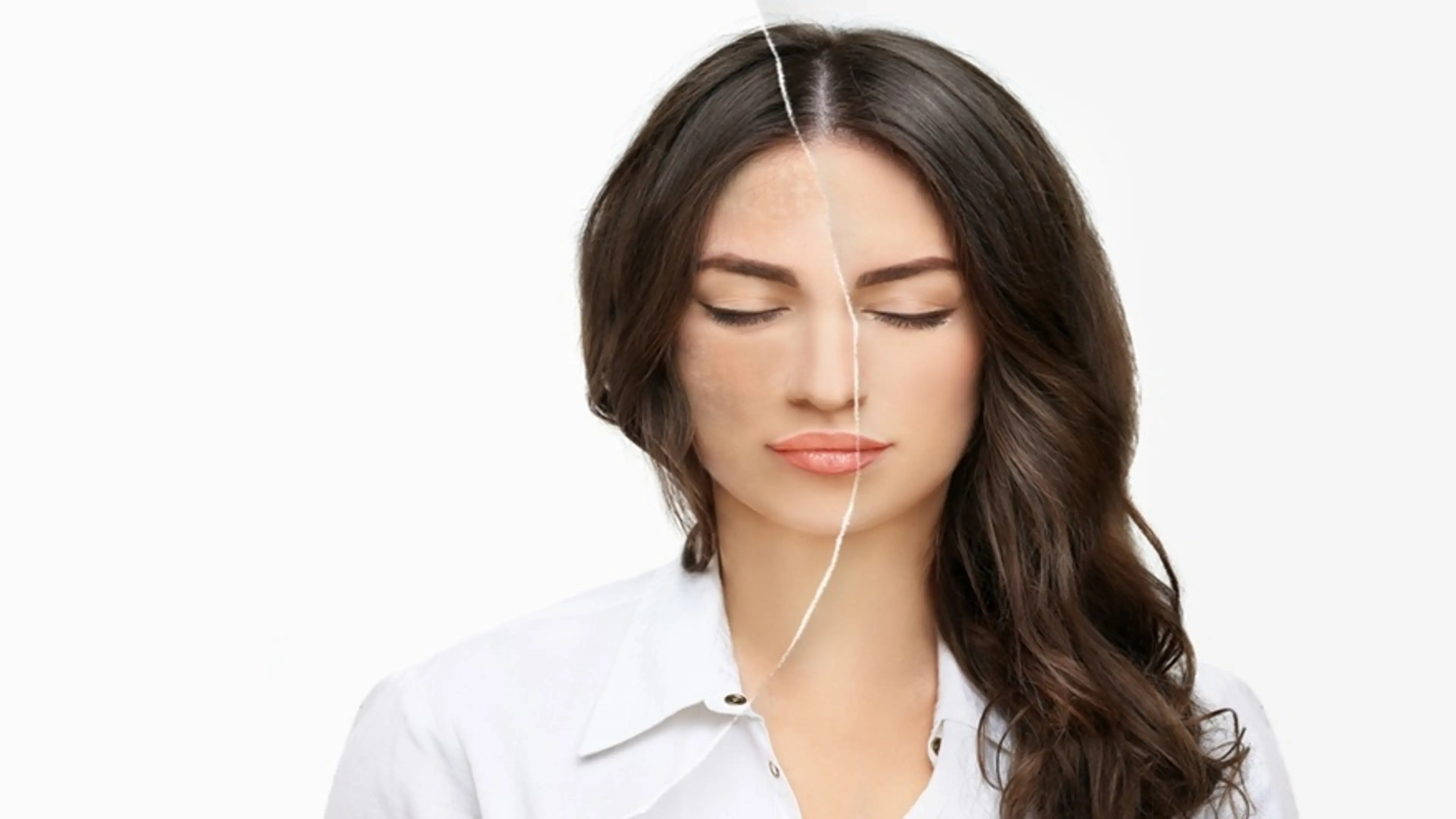
Stem Cells Regenerating Damaged Skin from Aging
stem-cells-regenerating-damaged-skin-from-agingIntroduction: Why Skin Ages — and the Challenge of Regenerating It
introduction:-why-skin-ages-and-the-challenge-of-regenerating-itOur skin is the body’s largest organ: it protects us, regulates temperature, senses the world, and contributes significantly to how we appear and feel. Over time, however, skin inevitably undergoes changes. Natural aging (intrinsic aging), combined with environmental and external factors — such as ultraviolet (UV) exposure, pollution, lifestyle, stress, and toxins — progressively degrade skin quality.
As we age, our skin typically becomes thinner, loses elasticity, develops wrinkles, and shows uneven tone or pigmentation. The dermal layer — which supplies structural support and elasticity — weakens: collagen and elastin production slows, the extracellular matrix (ECM) degrades, blood circulation decreases, and skin’s natural regenerative capacity declines.
Moreover, aged skin has reduced ability to heal, increased susceptibility to injury, and often shows signs of long-term damage. Given the complexity of aging — involving metabolic, genetic, environmental, and biochemical factors — reversing or significantly ameliorating these changes is a major challenge. Traditional aesthetic or dermatological treatments (e.g., fillers, chemical peels, laser resurfacing) often rely on superficial or surface-level modifications, rather than restoring the skin’s intrinsic regenerative functions.
Here is where stem cell–based regenerative medicine offers a paradigm shift: instead of masking the signs of aging, it aims to reawaken the skin’s innate capacity for renewal and repair — from within.
What Are Stem Cells — And Why Are They Powerful for Skin Rejuvenation
what-are-stem-cells-and-why-are-they-powerful-for-skin-rejuvenationAt the heart of stem‑cell skin therapy are a special class of cells called Mesenchymal Stem Cells (MSCs). These are multipotent progenitor/stromal cells that can self‑renew and differentiate (under appropriate conditions) into various cell types — including those relevant for skin, such as fibroblasts (cells that produce collagen and ECM), keratinocytes (surface skin cells), and other supportive cells.
MSCs can be sourced from different tissues: bone marrow, adipose (fat) tissue, umbilical cord blood, etc. Over time, scientists have learned not just to rely on the cells themselves, but also on what they secrete — their “secretome,” which includes growth factors, cytokines, and extracellular vesicles (EVs, e.g., exosomes). These secreted molecules carry potent signals that influence neighboring skin cells, stimulating regeneration, reducing inflammation, and remodeling tissue.
Thus, MSC-based therapy offers two complementary mechanisms:
Cell-based regeneration — the transplanted stem cells (or activated resident skin stem cells) may differentiate into skin‑relevant cells, contributing structurally to skin repair.
Paracrine / secretome‑mediated rejuvenation — MSCs release a variety of biochemical signals (growth factors, cytokines, extracellular vesicles) that modulate the local environment, triggering resident skin cells to proliferate, produce collagen/elastin, repair DNA damage, reduce oxidative stress, and improve ECM structure.
This dual action — plus immunomodulatory, anti-inflammatory, and antioxidant effects — makes MSC-based therapy especially promising for skin rejuvenation and reversing age-related skin damage.
How Aging Affects Skin: Biological Mechanisms — and How Stem Cells Counteract Them
how-aging-affects-skin:-biological-mechanisms-and-how-stem-cells-counteract-them
To appreciate how stem cells can regenerate aging skin, it's important to understand what goes wrong in skin as we grow older — and how MSCs help.
→ Key Changes in Aging Skin
key-changes-in-aging-skinReduced collagen and elastin production: Collagen provides structural strength and firmness; elastin gives elasticity. With age, fibroblasts (cells producing ECM) become less active. ECM degrades, leading to thinner dermis, sagging, fine lines, and wrinkles.
Slower cell turnover and impaired repair: Skin stem cell populations decline or become less active; capacity to heal wounds, repair DNA damage, or replace lost/damaged cells diminishes.
Increased inflammation & oxidative stress: Over time, chronic low‑grade inflammation and reactive oxygen species (ROS) damage skin cells, proteins, and ECM — accelerating aging.
Altered extracellular matrix remodeling & imbalance of degradative enzymes: Increased activity of matrix metalloproteinases (MMPs), enzymes that break down collagen/ECM, contributes to structural degradation, wrinkles, and loss of elasticity.
Reduced vascularization & nutrient supply: With compromised blood flow and fewer microvessels, skin receives less oxygen, nutrients — impairing metabolism, repair, and regeneration.
These changes collectively cause visible and functional aging of skin: wrinkles, sagging, thinning, fragility, slower healing, uneven tone/pigmentation, and loss of resilience.
→ How MSCs & Stem‑Cell Therapy Counteract Aging Mechanisms
how-mscs-and-stemcell-therapy-counteract-aging-mechanismsMSC-based therapies address many of the above mechanisms — often simultaneously:
Stimulating collagen and elastin synthesis — MSCs (or their secretome) encourage fibroblasts to produce new collagen and elastin fibers, helping rebuild the structural framework of skin, improving thickness, firmness, and elasticity.
Promoting cell renewal and turnover — through paracrine signaling and possibly direct differentiation, MSCs help replenish skin cells: keratinocytes, fibroblasts, and other skin‑specific cell types. This regeneration helps counteract thinning, surface irregularities, and loss of integrity.
Modulating inflammation and oxidative stress — MSCs have immunomodulatory and antioxidant effects: they reduce chronic inflammatory signals, scavenging harmful reactive oxygen species, and creating a more favorable milieu for skin repair and regeneration.
Regulating ECM remodeling & inhibiting ECM‑degrading enzymes — by suppressing harmful enzymes like MMPs and promoting ECM synthesis, MSC-based therapy helps restore a balanced, healthy extracellular matrix — crucial for youthful skin structure.
Enhancing vascularization and nutrient supply — MSCs can promote new blood vessel formation (angiogenesis) and improve microcirculation, ensuring better supply of oxygen and nutrients essential for cell health and regeneration.
In short: MSCs don’t just “cover up” aging — they help reverse some of the root biological changes, restoring underlying structure and function.
Why Dekabi Stem Cell Clinic’s Approach — and What We Offer
why-dekabi-stem-cell-clinic's-approach-and-what-we-offer
This is where the philosophy and strengths of Dekabi Stem Cell Clinic make a real difference.
Personalized, 1:1 Regenerative Therapy: Instead of generic, “one-size-fits-all” cosmetic procedures, our approach tailors stem cell treatments to individual patients — considering their age, skin condition, health status, lifestyle, and regenerative potential. This translates to more precise, effective, and safer outcomes.
Comprehensive Experience & Expertise: With over 22 years of dedicated experience in stem cell therapy — under the leadership of Eun Young Baek, MD — we bring deep clinical insight, rigorous standards, and a proven track record across regenerative, anti-aging, chronic disease, and pain‑management therapies.
Cutting‑Edge Regenerative Medicine + Holistic Care: We don’t rely only on stem cell injection or transplantation. Depending on each patient’s needs, we integrate advanced regenerative modalities: energy medicine, detox, functional neurosurgery (when relevant), nutritional support, lifestyle consultation — addressing aging skin not just superficially but at systemic, cellular, and lifestyle levels.
Safe, Minimally‑Invasive, Long-Term Oriented: Compared to invasive cosmetic surgeries, our stem-cell–based skin rejuvenation is designed to be minimally invasive (or using cell‑free options when appropriate), with lower risk, shorter recovery, and results that align with long-term skin health and vitality.
Thus, by leveraging the latest in MSC science — combined with decades of clinical expertise and a patient‑centered philosophy — Dekabi Clinic aims not just to “turn back the clock,” but to restore youthful skin function, resilience, and health from the inside out.
What to Expect — Realistic Outcomes, Safety, and Limitations
what-to-expect-realistic-outcomes-safety-and-limitationsWhile the promise of stem‑cell skin rejuvenation is tremendous, it’s important to maintain realistic expectations.
Gradual, not instant: Unlike fillers or Botox, which give immediate but temporary visible effects, MSC‑based regeneration unfolds over weeks to months. Collagen production, ECM remodeling, vascularization, and true skin renewal take time.
Individual variability: Results depend heavily on patient’s age, skin condition, genetics, lifestyle (nutrition, smoking, sun exposure), and how well they follow post‑treatment care. Not everyone will respond equally.
Need for maintenance / follow-up: As skin continues aging, periodic maintenance may be required. Long-term lifestyle and skin care remain important.
Research still maturing: Although many studies — preclinical and early clinical — show promising results, the field still lacks large-scale, long-term standardized clinical trials. This means some uncertainties remain in safety, consistency, and best‑practice protocols.
Regulation & quality control matter: The quality of MSCs — their source (autologous vs allogeneic), how they are processed, stored, delivered — greatly influences outcomes. Improper handling may reduce effectiveness or carry risks.
At Dekabi, we take these limitations seriously. Our protocols emphasize safety, quality control, informed consent, and realistic counseling — ensuring patients understand both the benefits and boundaries of what stem-cell regenerative therapy can achieve.
Conclusion: Rejuvenation that Goes Beyond the Surface
conclusion:-rejuvenation-that-goes-beyond-the-surfaceThe aging process leaves its mark on skin — thinning, wrinkles, loss of elasticity, uneven pigment, fragility, slower healing. Conventional cosmetic solutions often treat only the symptoms: smoothing wrinkles, filling volume, resurfacing outer layers. But what if we could restore the skin’s own regenerative engine?
That’s exactly what MSC‑based therapy aims to do. By harnessing the power of mesenchymal stem cells — their ability to become skin-relevant cell types, and to secrete potent regenerative signals — stem cell therapies can rebuild skin structure, restore collagen/elastin, rejuvenate cellular turnover, reduce inflammation, and improve vascular/nutrient supply.
For patients seeking a natural‑looking, long-lasting, and biologically grounded anti-aging solution — especially when combined with comprehensive care — stem cell–based skin therapy represents a major paradigm shift.
At Dekabi Stem Cell Clinic, with over two decades of dedicated experience in regenerative medicine and under the guidance of Dr. Eun Young Baek, we commit to delivering such advanced, personalized, and safe treatments. Our goal is not simply to make skin look younger, but to help you feel younger — from the inside out, by restoring vitality, resilience, and overall well‑being.